

When does it actually get hot in UAE, and what should you expect?
Gradual temperature rise expected as spring continues across the country
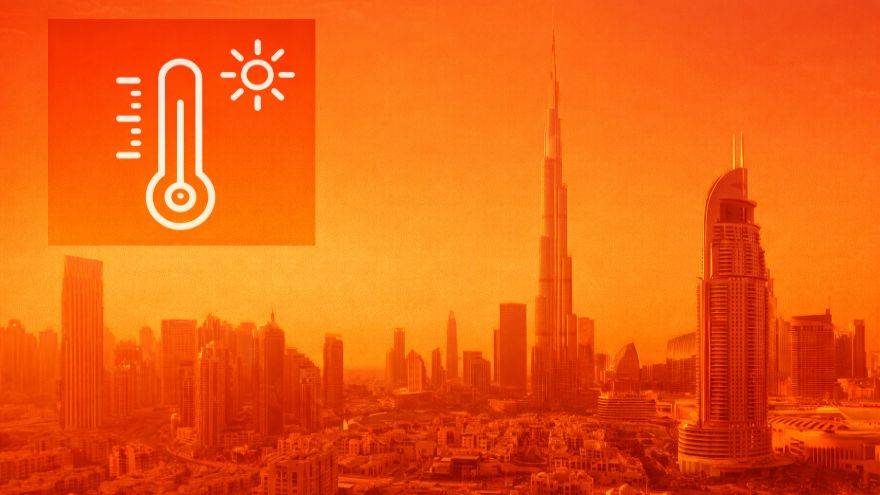
DUBAI – It is mid-April, and the UAE continues to experience unusually pleasant weather, with occasional cloud cover, gentle breezes and even the prospect of rainfall in the days ahead.
While many residents might expect the heat to have already arrived, conditions remain mild for this time of year. The lingering spring climate has prompted a familiar question across the country: when will the real heat begin?
It’s expected that the transition towards summer will not be abrupt. Temperatures are likely to rise gradually over the coming weeks as the UAE moves from spring into the hotter months.
Seasonal shift
Astronomically, summer in the UAE does not officially begin until June 21, the summer solstice. On this day, the sun will be positioned directly over the Tropic of Cancer, marking the Northern Hemisphere’s maximum tilt towards it. This alignment results in the longest day and shortest night of the year.
Between June 18 and June 24, daylight hours will stretch to approximately 13 hours and 43 minutes. At solar noon, shadows in southern parts of the UAE will nearly disappear due to the sun’s high position in the sky.
Despite this precise celestial marker, meteorological conditions tell a different story. The official start of summer does not necessarily coincide with the arrival of intense heat across the region.
Heat timeline
In reality, temperatures in the UAE begin to climb much earlier. The warming trend typically starts in April and becomes more noticeable in May. By June, heat levels intensify significantly, setting the stage for peak summer conditions in July and August.
Recent data highlights the severity of UAE summers. In 2024, temperatures in some parts of the country exceeded 50°C, according to the NCM. On average, summer daytime temperatures range between 41°C and 43°C, while night-time lows remain high at 26°C to 29°C, offering limited relief.
The UAE summer can be broadly divided into two distinct phases. The first phase, from June 21 to August 10, is characterised by dry heat, clear skies and strong winds such as the Barih and Samoom. These winds are typically hot and dusty, often disturbing sand dunes and reducing visibility. Heatwaves during this period can push temperatures at least three degrees above seasonal norms and may last for several consecutive days.
The second phase, from August 11 to September 23, brings a shift in atmospheric conditions. While high temperatures persist, humidity levels rise sharply, creating a more oppressive environment. Moisture-laden winds, known as Al Koos, dominate this period.
At the same time, the Hajar mountain range experiences the formation of cumulonimbus clouds, which can result in sudden and intense summer rainfall events, locally referred to as Al Rawayeh.
Life indoors
As temperatures rise, daily life across the UAE adapts rather than slows. Outdoor activities become limited, and indoor spaces take centre stage. Shopping centres such as Dubai Mall and Mall of the Emirates evolve into climate-controlled hubs where residents and visitors spend extended hours.
Families often shift their routines to later in the evening, with outings continuing well past midnight. Indoor attractions, including cinemas and ice rinks, see increased footfall during the summer months.
Sporting activities also move indoors. Facilities for football, cricket and padel remain active throughout the season. Events such as Dubai Sports World transform large venues into multi-sport arenas, ensuring year-round participation despite extreme weather conditions.
While the current weather remains pleasant, the shift towards summer is already underway. The change may feel gradual, but by early summer, rising temperatures and humidity will begin to reshape daily routines across the UAE.